Why Most Nurses Undereat on a 12-Hour Shift (And What Actually Fixes It)
Undereating on a 12-hour shift isn’t usually about willpower. The shift itself is structured in a way that makes skipping or shortening meals the path of least resistance, unless a few specific things are set up in advance.

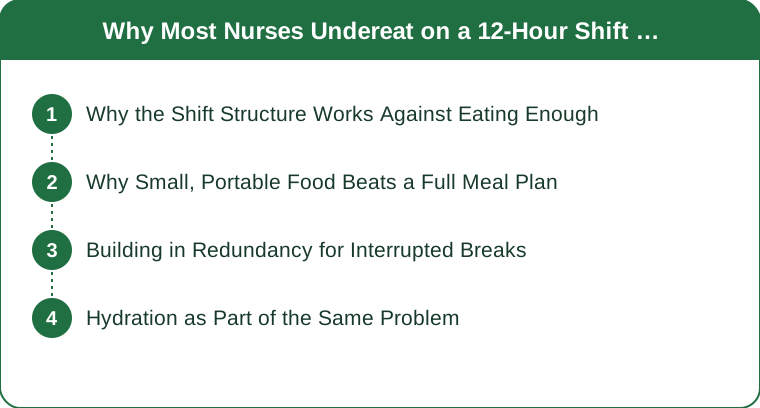
Why the Shift Structure Works Against Eating Enough
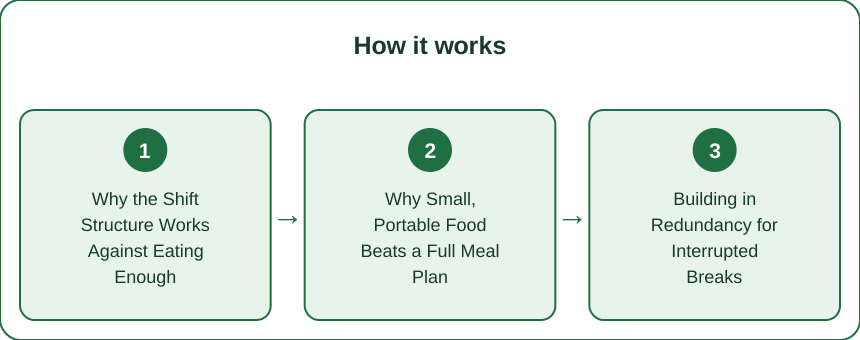
The structural problem: break timing being unpredictable and frequently delayed or interrupted entirely by patient needs, which means any meal plan requiring a specific, reliable break window at a specific time is set up to fail regularly.
Why Small, Portable Food Beats a Full Meal Plan
The practical fix: relying on food that can genuinely be eaten in two to three minutes standing up or between tasks, since a full sit-down meal plan assumes a break window that may simply not materialize on a given shift.

Building in Redundancy for Interrupted Breaks
The redundancy approach: packing more small food options than the shift is expected to need, since a break interrupted halfway through eating means whatever wasn’t finished may not get a second chance, and having backup options prevents that interruption from becoming a full skipped meal.
Hydration as Part of the Same Problem
The related issue: the same unpredictable break structure driving under-hydration just as commonly as undereating, and keeping a water bottle physically accessible at the nursing station rather than only in a break room closing that gap passively throughout the shift, and the frame (undereating on a 12-hour shift is mostly a structural problem, not a discipline one — packing portable, redundant, two-minute food and keeping water within reach at the station fits the shift’s actual unpredictability better than a normal meal plan does.)
Undereating across a 12-hour shift is rarely about willpower, since the shift itself is structured in a way that makes skipping or shortening meals the path of least resistance, mainly because break timing is unpredictable and frequently delayed or interrupted by patient needs. Relying on food that can genuinely be eaten in two or three minutes standing up, rather than assuming a reliable sit-down break window will show up, fits that unpredictability far better than a normal meal plan does. Packing more small food options than a shift is expected to need builds in redundancy for a break that gets interrupted halfway through, so an unfinished meal doesn’t just become a fully skipped one, and the same unpredictable structure drives under-hydration just as often, which keeping a water bottle physically accessible at the nursing station, not only in the break room, helps close passively throughout a shift.
Keep Reading
This article is for general informational purposes only and is not medical advice. Always consult a qualified health professional for guidance specific to you.